
All paw-rents want their pup to feel like the luckiest dog in the world. While belly rubs and squeaky toys are certainly part of the formula, the true definition of a lucky dog starts with health. A healthy dog has more energy, better mobility, improved digestion, a shinier coat, increased longevity, and a happier life.
From balanced nutrition and mindful treats to enrichment, exercise, and quality time, here are our top tips for canine health to help your dog thrive every single day.
Proper Nutrition: Build Canine Health from the Bowl Up
Nutrition is the foundation of canine health and wellness. Every cell, muscle, organ, and system in your dog’s body depends on the nutrients he consumes on a daily basis. Feeding a complete and balanced diet isn’t just about filling the bowl – it’s about ensuring what’s in the bowl meets your dog’s specific caloric and macronutrient needs.
Understanding Daily Caloric Needs by Size
A dog’s calorie requirements depend on weight, age, breed, and activity level. As a general guideline:
- Small dogs (<10–20 lbs): 300–600 calories/day
- Medium dogs (25–50 lbs): 700–1,200 calories/day
- Large dogs (55–90+ lbs): 1,300–2,000+ calories/day
Active, working, pregnant, or nursing dogs require more, while senior, overweight or less active dogs may need fewer calories to maintain a healthy weight.
Balanced Macronutrients Made Simple
When thinking about calories, we must also consider what portion of your dog’s fuel comes from each macronutrient, namely the proteins, fats, and carbohydrates that make up her food:
- Protein (≈ 25–30% of calories): Essential for lean muscle, immune health, tissue repair, and condition of skin and coat – animal-based proteins are critical for dogs and cats.
- Fat (≈ 30–40% of calories): A concentrated energy source that supports brain function, nutrient absorption, and skin and coat health – omega fatty acids are especially beneficial.
- Carbohydrates (≈ 30–45% of calories): Accessible energy and fiber for digestive health – whole food sources preferable.
This calorie-based breakdown gives you a consistent way to compare foods and tailor portions to your dog’s age, size, and activity level with less confusion.
For example, a 40-pound moderately active dog needing 900 calories daily might consume:
- 225–270 calories from protein
- 270–360 calories from fat
- 270–450 calories from carbohydrates
Always consult your veterinarian for individualized guidance, but understanding macronutrients helps you to make informed feeding decisions.
Portion Control Matters
Even high-quality food can cause weight gain if overfed. Like in humans, obesity in pets increases the risk of joint disease, diabetes, heart disease, and reduced lifespan. Planning out meals, adjusting for activity level, and accounting for treats in the total daily calorie count are essential to getting feeding right!
Healthy Rewards: Treating Smart

Dog treats are powerful tools for training, bonding, and enrichment, but they can quickly derail a healthy diet if chosen poorly.
Veterinary nutritionists recommend that typical treats make up no more than 10% of your dog’s daily caloric intake. For a 900-calorie-per-day dog, that’s 90 calories in treats.
Choose Low-Fat, Low-Calorie Options
Instead of high-fat, heavily processed snacks, opt for simple, single-ingredient treats like Farm to Pet. Our nutritious, responsibly sourced treats are naturally low in fat and calories – just 6 to 8 calories per chip! – while still being highly palatable.
Made from 100% natural, human-grade animal protein sources and only minimally processed via gentle dehydration with zero artificial additives, our healthy dog treats are easy to digest and nutrient-rich. Because many Farm to Pet treats are breakable, they’re ideal for training sessions where you need multiple small rewards without adding excessive calories.
Using Treats Strategically
While many of us love to shower our pets with foods they love – and feeding is a bonding activity – moderation is key. Luckily, healthy rewards also have many other benefits to pet health and wellbeing, such as:
- Positive reinforcement training
- Crate training
- Recall practice
- Desensitization exercises
- Confidence building
Breaking treats into pea-sized pieces extends their use while maintaining caloric control. Helpful fact: dogs respond to frequency of reward more than size of reward.
Enrichment Activities: Engaging the Mind Protects the Body
Mental stimulation is just as important as physical exercise – after all, dogs are thinking, working beings. Boredom can lead to destructive behavior, anxiety, and even overeating. Luckily, enrichment exists!
Lick Mats for Calm Focus
Lick mats are textured silicone mats designed for spreading soft foods across their surface. When dogs lick repeatedly, it satisfies a natural urge and can reduce stress. The repetitive licking promotes calm and can even aid digestion by stimulating saliva production.
Benefits include:
- Slower food consumption
- Reduced anxiety
- Mental stimulation
- Improved digestion through slower eating
Spread a thin layer of plain yogurt, mashed banana, or softened food across the mat for a long-lasting activity. For calorie control, factor the spread into the daily intake.
Treat Dispensers & Slow Feeders
Treat-dispensing toys and slow feeders transform mealtime into rewarding problem-solving sessions. Instead of eating in two minutes, your dog works for his food or treats, which in turn:
- Burns mental energy
- Reduces gulping and bloating
- Provides a sense of accomplishment
Fun Fact: Mental stimulation from enrichment activities can be as tiring as a long walk. A happily fatigued dog is often calmer, more confident, and less prone to stress behaviors. Enrichment sessions are especially helpful:
- During thunderstorms or fireworks
- When you’re preparing meals
- While working from home
- To ease anxiety or restlessness
BONUS ENRICHMENT TIP: Chew Time!
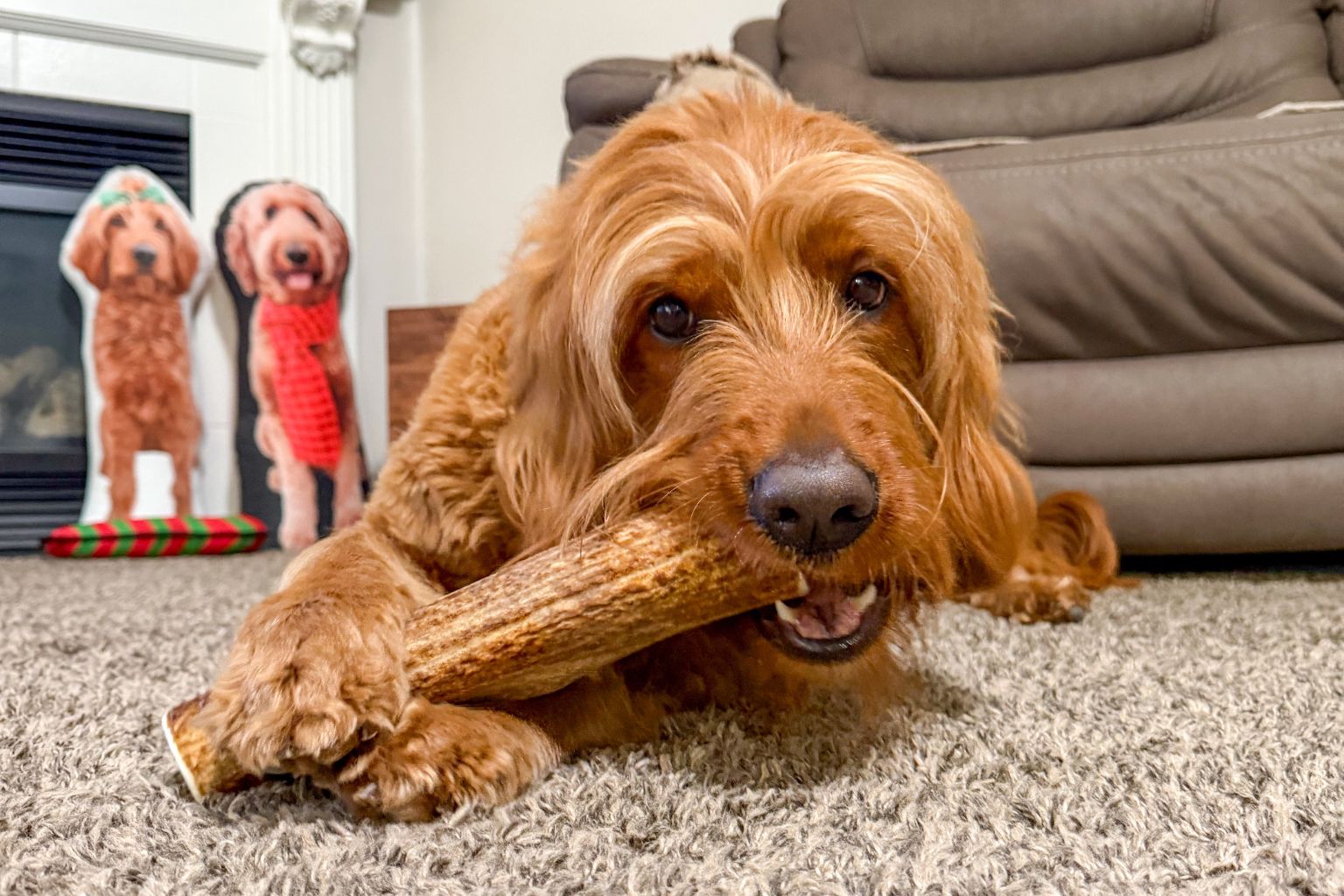
Like licking, most dogs have an inherent urge to chew. Not only does this activity promote strong jaws and good dental hygiene, but it also acts as an outlet for energy. If the dog chew offers a flavor payoff and nutritional benefits, it’s all the better! Sound too good to be true? Organic antlers for dogs combine all these attributes and more, including being splinter-resistant and odor-free! Check out our selection of elk, reindeer and deer antlers for dogs to find the right chew for your dog’s size and chewing style.
Daily Exercise: Moving the Body Supports the Mind
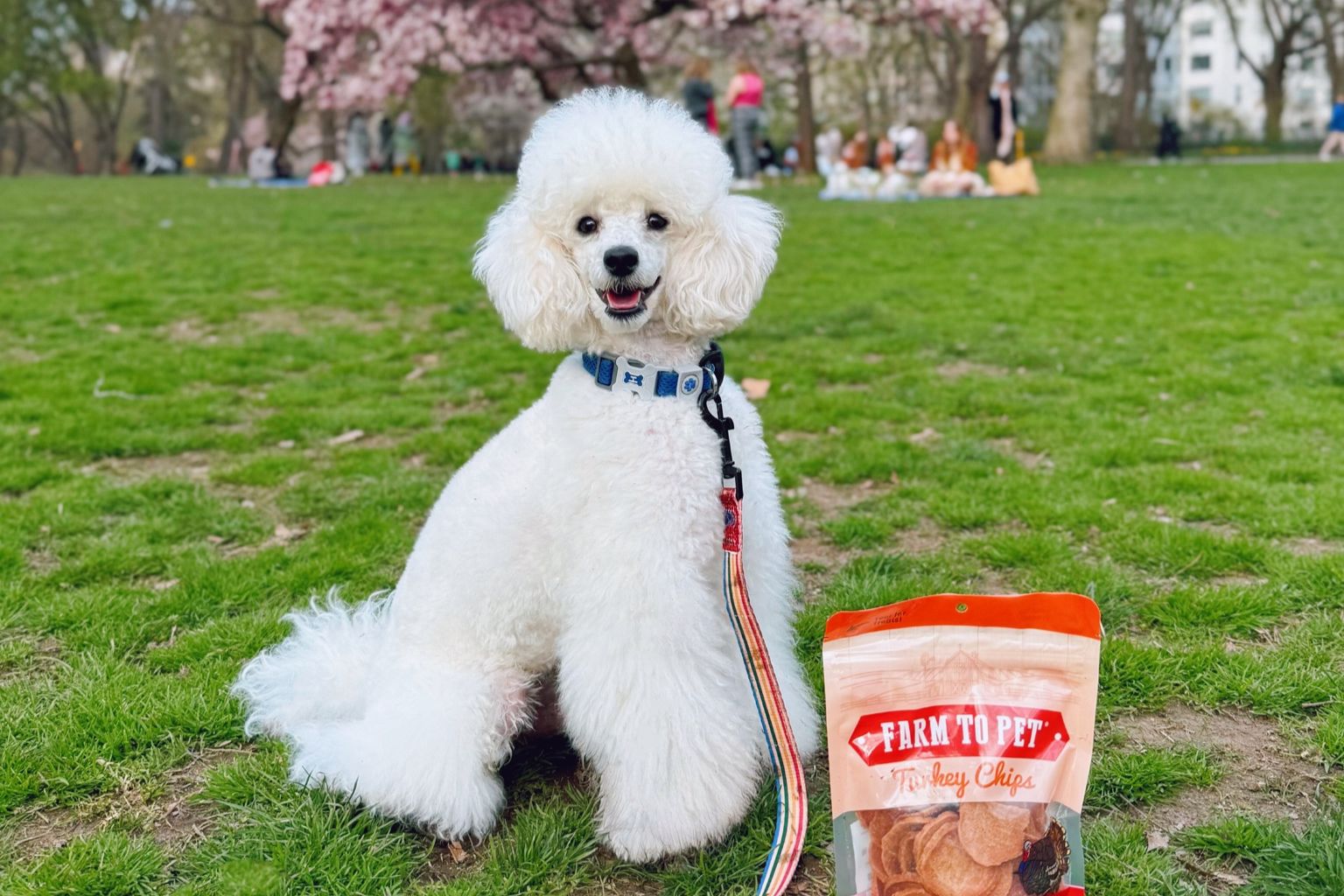
Regular physical activity is one of the most important ways to support long-term canine health. Exercise maintains lean muscle mass, promotes cardiovascular health, strengthens joints, and helps prevent obesity.
Daily Walks
Most dogs benefit from at least 30–60 minutes of daily walking, depending on breed and age. Walking provides:
- Cardiovascular conditioning
- Joint mobility
- Weight management
- Mental stimulation (sniffing, exploring)
Remember: letting your dog sniff during walks is not wasted time – it’s offers stimulation that lowers stress!
Play Time Matters
Interactive play strengthens the dog-human bond as it supports physical fitness. Here are just a few ways your fur-riend and you can play together:
High-energy breeds may require more intense exercise sessions, while seniors benefit from more frequency than duration. Either way, consistency is key. Regular moderate exercise is healthier than sporadic intense bursts.
Quiet Time: The Overlooked Canine Health Must
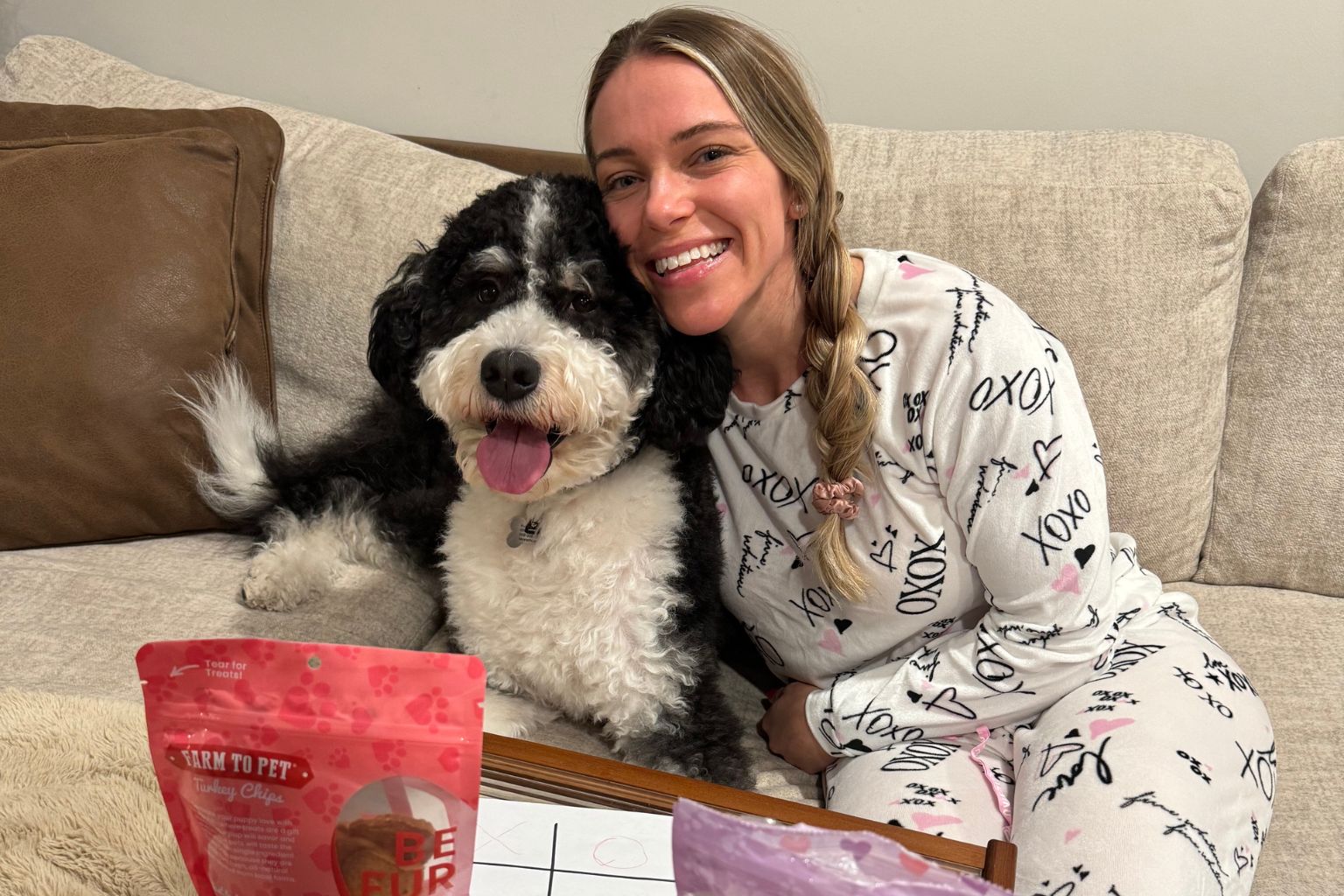
In our busy lives, it’s easy to focus on activity and overlook rest. But quiet time with you is essential for canine health, both mental and physical. Dogs are social animals, and you’re the most important part of their pack. Your calm companionship:
- Reduces stress hormones
- Strengthens attachment bonds
- Promotes emotional stability
- Encourages relaxation
This can be as simple as:
- Sitting together during the evening
- Gentle grooming sessions
- Calm petting after exercise
Adequate sleep is also vital for canine health. Adult dogs typically need 12–14 hours of sleep per day, while puppies and seniors may require even more. Providing a comfortable, quiet sleeping area such as a pet bed or crate supports immune function and overall wellness.
Putting It All Together: A Daily Routine for Canine Health
When proper nutrition, enrichment, exercise, and bonding are present in your dog’s life, they all work together to promote a healthier metabolism, stronger immune system, stable weight, and even good behavior. Here’s what a day in the life of a “lucky” dog might look like:
Morning
- Portion-controlled breakfast of balanced macronutrients
- Short walk, play or training session
- A few low-calorie dog treats
Midday
- Enrichment with a lick mat or treat dispenser
- Quiet time or rest
Evening
- Longer walk or active play
- Dinner with high-quality nutrition
- Cuddles and calming rituals before bed
Final Thoughts: Health Is Your Dog’s Real Good Fortune
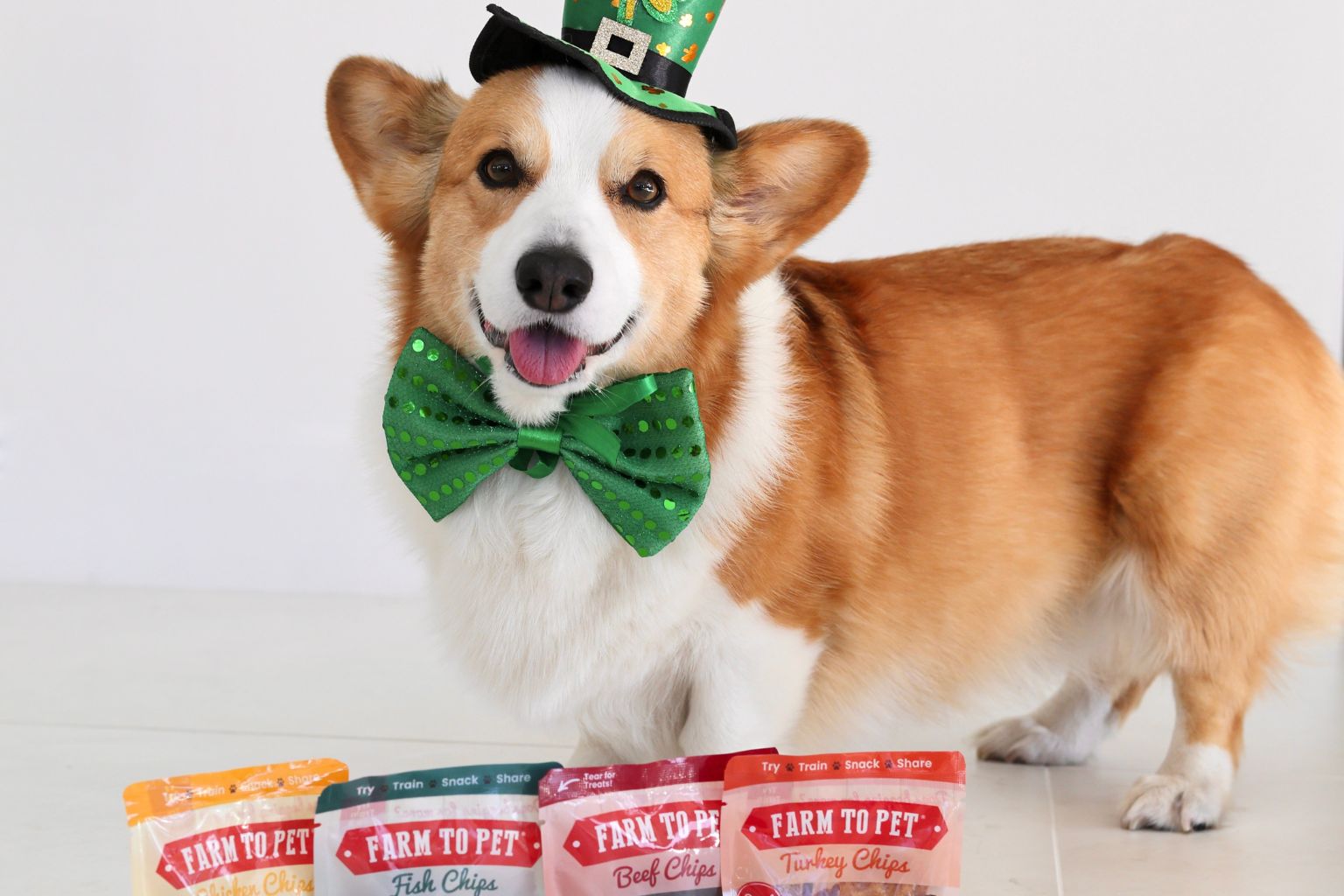
There’s no magic charm that guarantees canine health, but thoughtful daily choices can certainly go a long way. Proper nutrition with balanced macronutrients, thoughtful use of healthy treats, mentally stimulating enrichment, consistent physical exercise, and loving quiet time all combine to create the ultimate recipe for canine wellbeing.
The truth is simple: the luckiest dog isn’t the one with the most toys or the fanciest bed. The luckiest dog is the one whose health is nurtured every single day by loving paw-rents like you!
Trending Products

PETLIBRO Automatic Cat Feeder, 5G W...

PETLIBRO Automatic Cat Feeder Autom...

PETLIBRO Automatic cat Feeder for 2...

PETLIBRO RFID Automatic Cat Feeder,...

SureFeed Microchip Pet Feeder

PAPIFEED Automatic Cat Feeder

PAPIFEED Automatic Cat Feeder,Camer...

Geeni Smart Pet Feeder, Programmabl...

Frienhund 7L Automatic Cat Feeder w...
